naples &


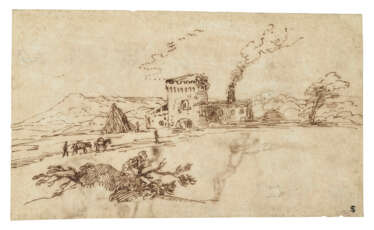

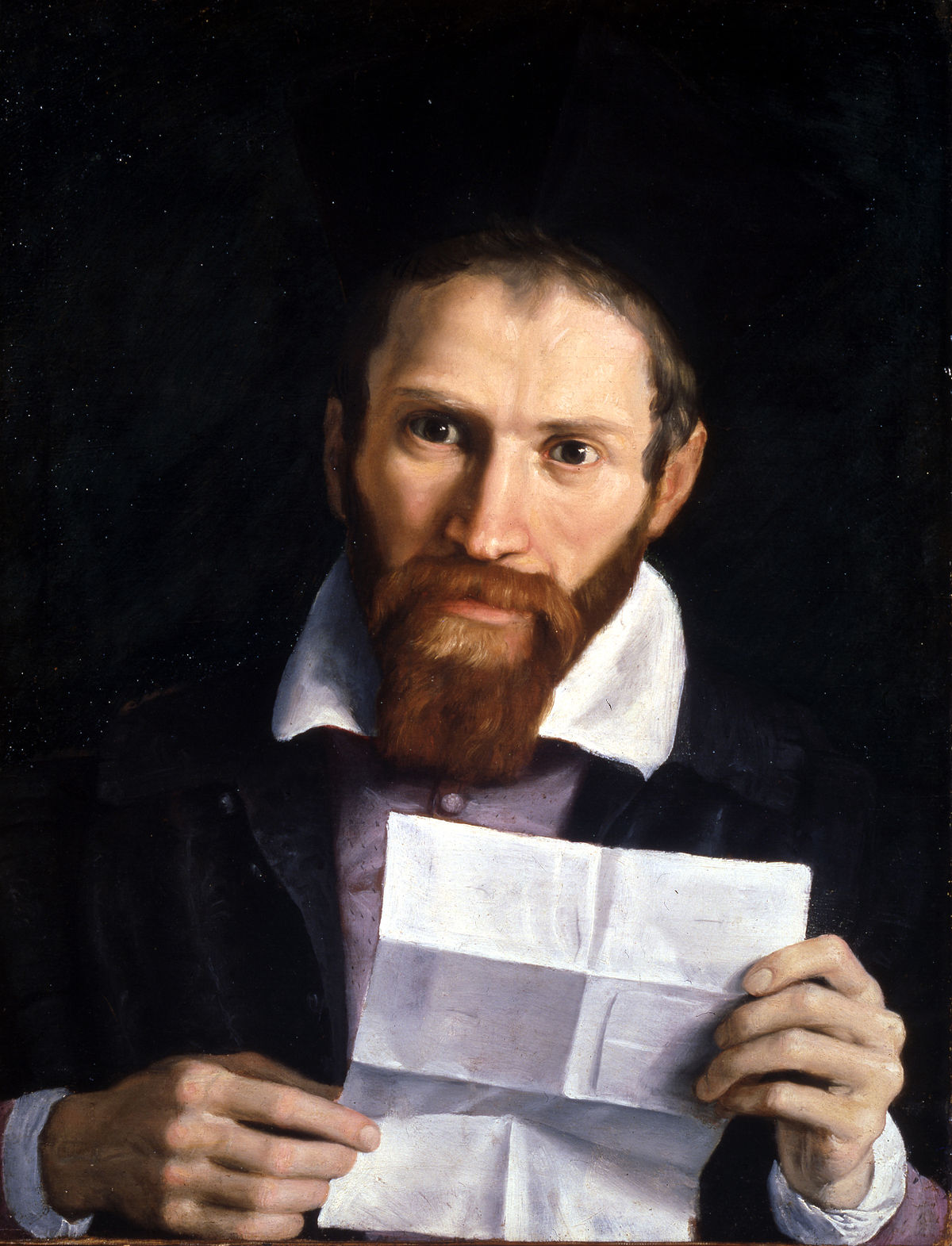
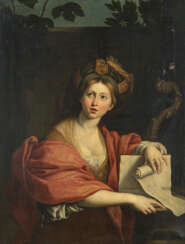
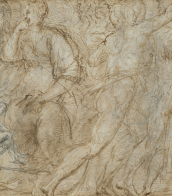
Domenico Zampieri, known as Domenichino, was an Italian Baroque painter who worked in Rome. He was a pupil of the Accademia Carracci in Bologna and was subsequently influenced by the works of Annibale Carracci and Caravaggio.
Domenichino was known for his use of vivid colours, dramatic lighting and his ability to convey emotion in his paintings. He was particularly adept at painting religious subjects and his works often depicted scenes from the life of Christ, the Virgin Mary and saints. He also participated in the fresco decoration of churches and several papal residences, and worked on the decoration of the Palazzo Barberini in Rome.


Domenico Zampieri, known as Domenichino, was an Italian Baroque painter who worked in Rome. He was a pupil of the Accademia Carracci in Bologna and was subsequently influenced by the works of Annibale Carracci and Caravaggio.
Domenichino was known for his use of vivid colours, dramatic lighting and his ability to convey emotion in his paintings. He was particularly adept at painting religious subjects and his works often depicted scenes from the life of Christ, the Virgin Mary and saints. He also participated in the fresco decoration of churches and several papal residences, and worked on the decoration of the Palazzo Barberini in Rome.


Domenico Zampieri, known as Domenichino, was an Italian Baroque painter who worked in Rome. He was a pupil of the Accademia Carracci in Bologna and was subsequently influenced by the works of Annibale Carracci and Caravaggio.
Domenichino was known for his use of vivid colours, dramatic lighting and his ability to convey emotion in his paintings. He was particularly adept at painting religious subjects and his works often depicted scenes from the life of Christ, the Virgin Mary and saints. He also participated in the fresco decoration of churches and several papal residences, and worked on the decoration of the Palazzo Barberini in Rome.







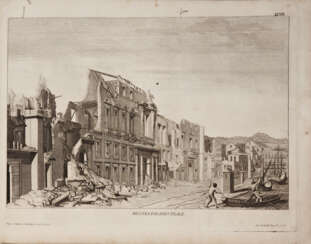


![William Hamilton | Campi phlegraei. Paris, [1799-1802], a deluxe copy with plates in two states](/assets/image/picture_3552953/71e1c/swqxwjtgq1ugvnwqi2apzgfoiilhqdrokd3a-bot1khfha9pyeckuouug-95a3ll1699088974jpg__fix_374_244.jpeg)
![William Hamilton | Campi phlegraei. Paris, [1799-1802], a deluxe copy with plates in two states](https://veryimportantlot.com/assets/image/picture_3552953/71e1c/swqxwjtgq1ugvnwqi2apzgfoiilhqdrokd3a-bot1khfha9pyeckuouug-95a3ll1699088974jpg__fix_374_244.jpeg)
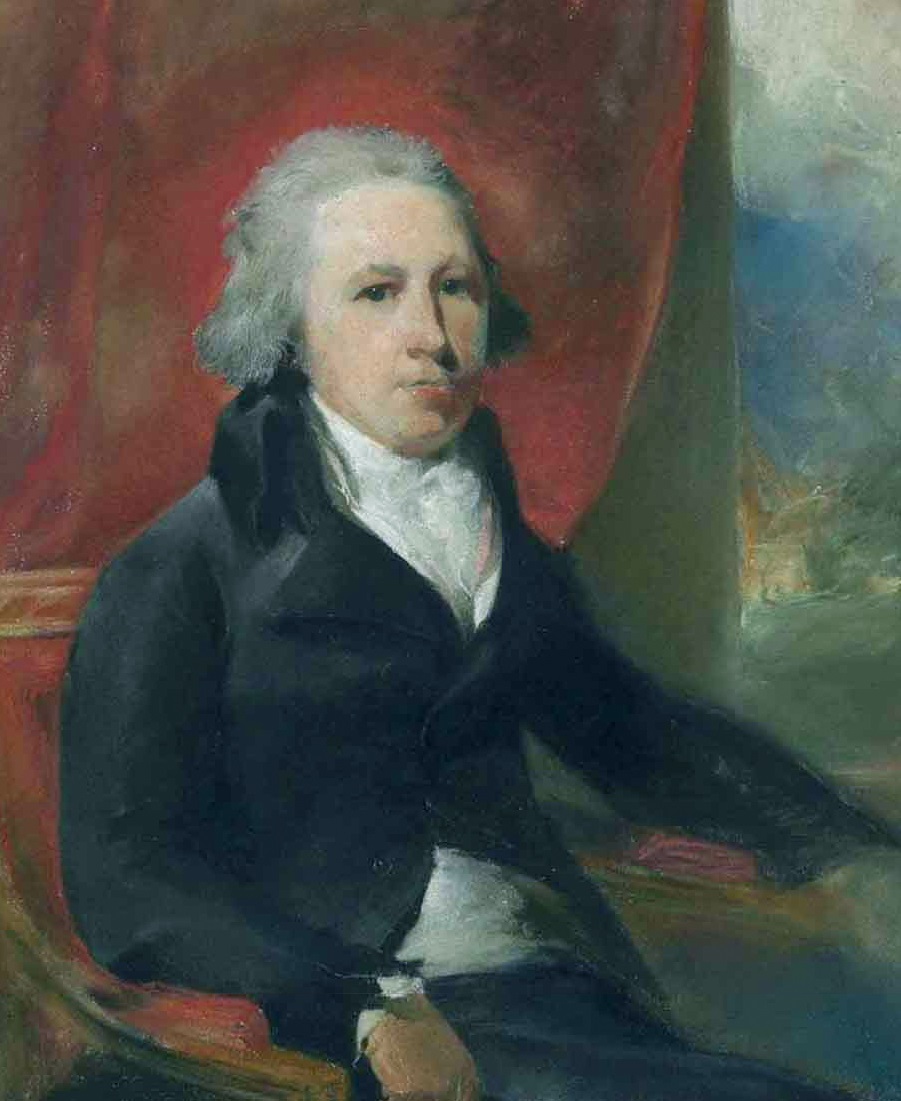
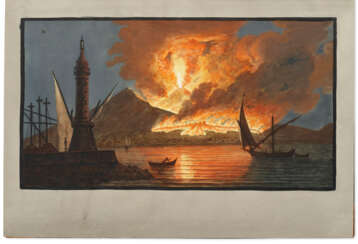
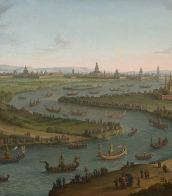
William Hamilton was an English artist and illustrator.







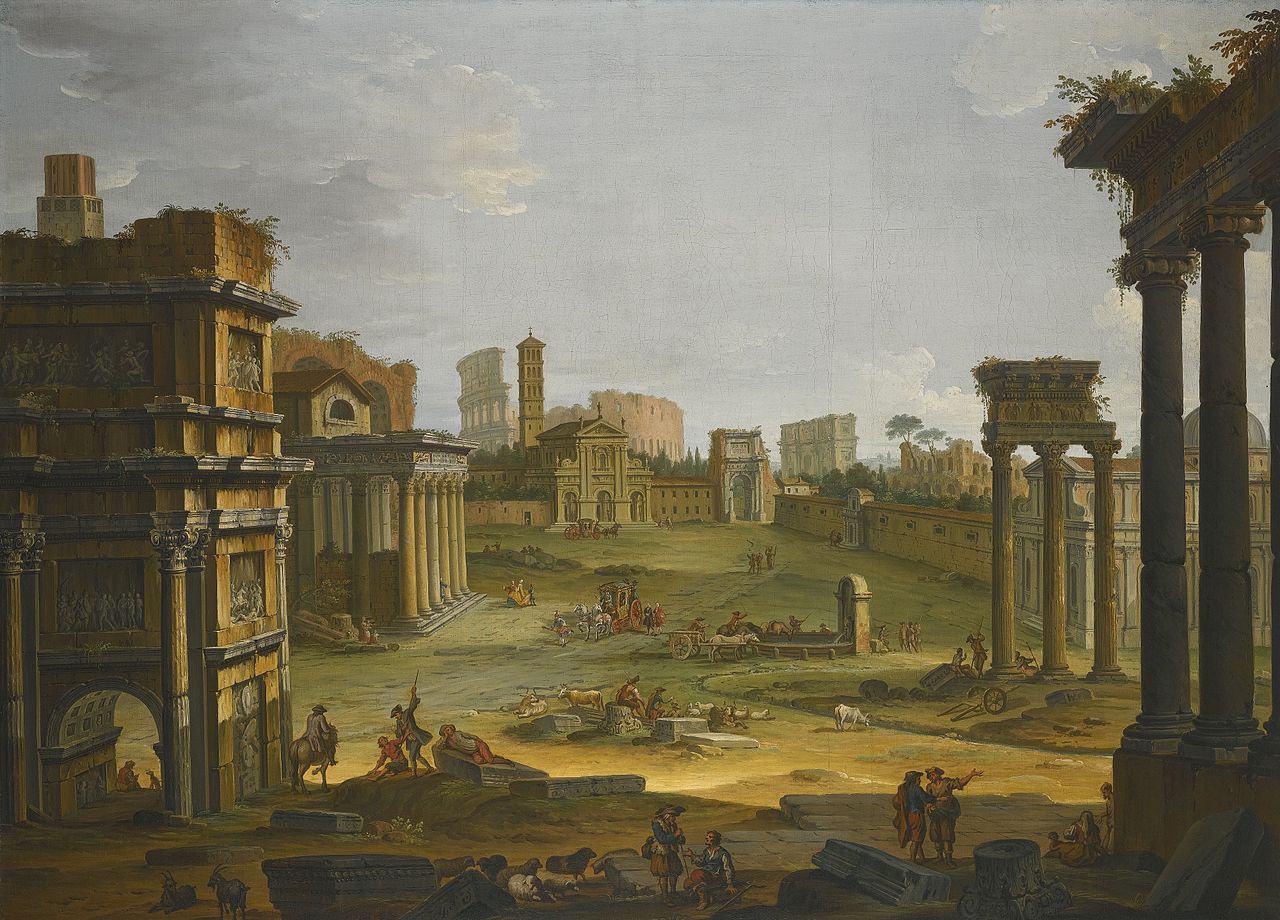
Antonio Joli was an Italian painter of vedute and capricci.



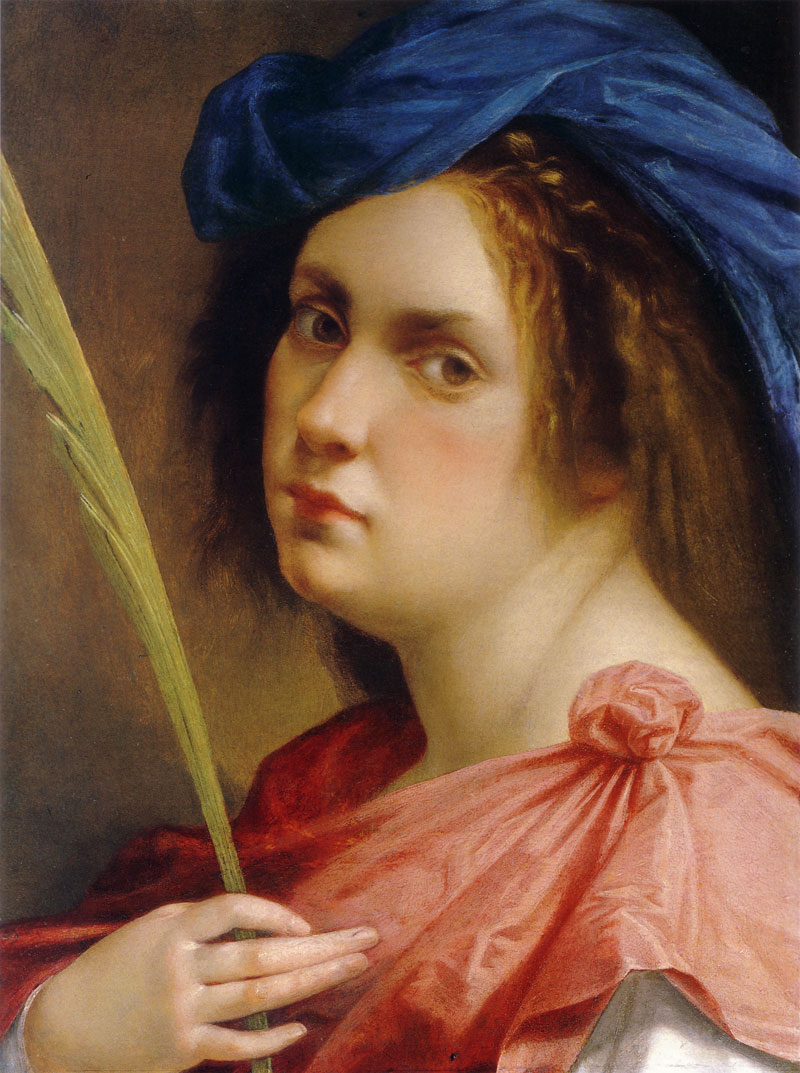
Artemisia Gentileschi was a pioneering Italian painter of the Baroque era, celebrated for her vivid portrayals of dramatic scenes and strong female figures drawn from mythology, allegory, and the Bible. Born in Rome in 1593, Gentileschi broke through the gender barriers of her time to become one of the first women to achieve fame as an artist. Her early exposure to painting came through her father, Orazio Gentileschi, a follower of Caravaggio, whose influence is evident in Artemisia's use of chiaroscuro and realistic, emotional expression.
Gentileschi's artistry is particularly noted for its naturalism and the dynamic use of color, which she employed to convey depth and drama. Among her most renowned works are "Susanna and the Elders" (1610), showcasing her skill in portraying the vulnerability and dignity of its subject, and "Judith Slaying Holofernes" (c. 1614–1620), a vivid depiction of strength and determination, housed in the Uffizi Gallery. These works, along with others like "Judith and Her Maidservant" (1625) in the Detroit Institute of Arts, highlight her unique ability to present female subjects not just as objects of beauty, but as agents of power and action.
The complexity of Gentileschi's life, including her survival of rape by Agostino Tassi and the subsequent trial, has often overshadowed her artistic achievements. However, modern scholarship and exhibitions, such as those at the National Gallery in London, have reevaluated her contributions, positioning her as a significant figure in art history for both her mastery of Baroque painting techniques and her role in challenging the era's gender norms.
For art collectors and experts, Gentileschi's works are emblematic of the Baroque spirit and a testament to the resilience and talent of women artists in a male-dominated field. Her paintings are not only valuable for their aesthetic and historical significance but also for their inspirational narrative of overcoming personal and societal challenges.
To stay updated on new product sales and auction events related to Artemisia Gentileschi, signing up for updates is recommended. This subscription ensures you remain informed about opportunities to acquire pieces related to this groundbreaking artist, without any pomp or unnecessary fluff, focusing purely on her incredible legacy in the realms of culture, art, and painting.
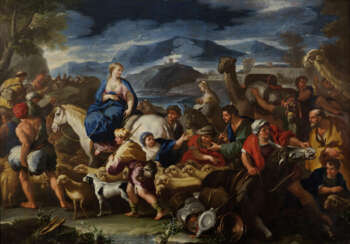

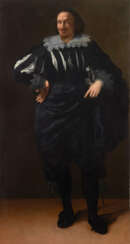
Paolo de Matteis was a distinguished Baroque painter known for his dynamic and expressive artworks. Matteis' training began with Francesco di Maria in Naples, followed by further guidance under the prominent painter Luca Giordano. His works are known for their vibrant compositions and dramatic flair, typical of the Baroque style prevalent during his time.
Paolo de Matteis' career was marked by significant contributions to the art world, including decorative schemes for Neapolitan churches like the vault of the chapel of San Ignatius in the church of Gesù Nuovo in Naples. His Assumption of the Virgin for the Abbey at Monte Cassino is another testament to his skill. Between 1723 and 1725, he spent time in Rome, receiving commissions from Pope Innocent XIII, further solidifying his reputation as a master painter.
Paolo de Matteis' influence extended beyond Italy. From 1702 to 1705, he worked in Paris, Calabria, and Genoa, showcasing his artistry to a broader European audience. In Genoa, one of his notable works was an Immaculate Conception with St. Jerome Appearing to St. Sevrio. His time in Paris was particularly significant, as it allowed him to infuse his Italian Baroque style with broader European influences.
Paolo de Matteis was not only a masterful painter but also a teacher. He nurtured the talents of several pupils, including Filippo Falciatore, Francesco Peresi, and members of the Sarnelli family. His legacy is carried forward through these artists, who were deeply influenced by his style and techniques.
For collectors and experts in art and antiques, Paolo de Matteis' works offer a captivating glimpse into the Baroque era, characterized by expressive brushwork, vivid color palettes, and dynamic compositions. His paintings remain a valuable part of the rich tapestry of Italian Baroque art.
To stay informed about Paolo de Matteis' masterpieces and their presence in the world of art sales and auctions, consider subscribing to our updates. This service will ensure you are always in the know about opportunities to explore and possibly acquire works by this celebrated Baroque artist.
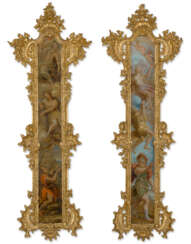

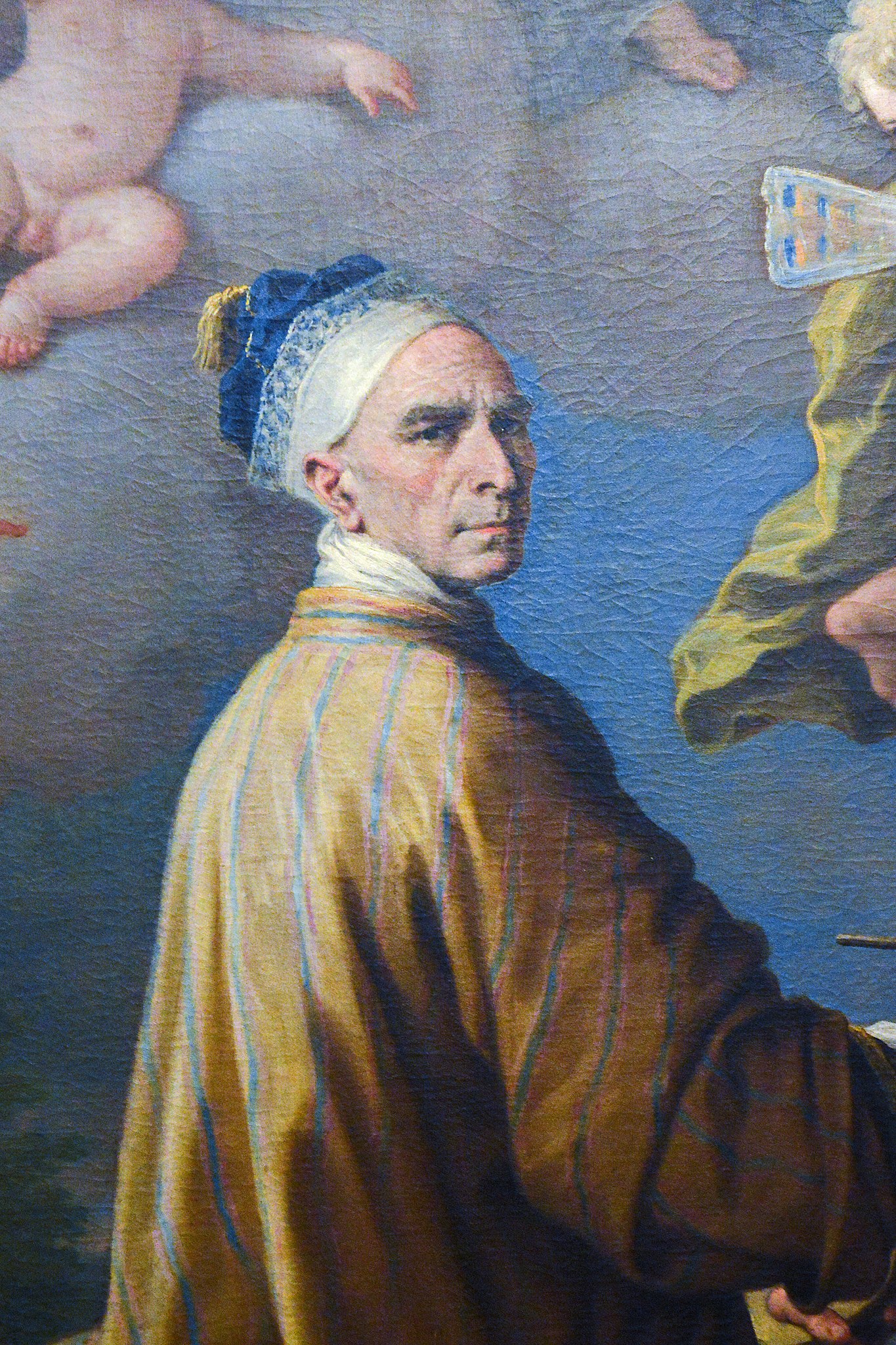
Luca Giordano, born on October 18, 1634, in Naples, emerged as the most celebrated Neapolitan painter of the late 17th century, known for his quick workmanship, which earned him the nickname "Luca Fa Presto" from his father's frequent admonitions to work quickly. His profound contribution to the development of Italianate landscape painting marked a significant chapter in art history.
Giordano's works are celebrated for their dynamic compositions, vibrant color palette, and the ability to infuse his subjects with vitality and emotion. His prolific career saw him working across Italy and Spain, leaving behind a legacy that includes monumental works such as the frescoes in the Palazzo Medici-Riccardi in Florence and the ceiling paintings in Santa Brigida Church in Naples. His late works, lighter and prefiguring the Rococo movement, were particularly influential and admired by later artists such as Fragonard.
Giordano's artistic prowess was not confined to a single genre; his oeuvre includes religious and mythological scenes, landscapes, and portraits. His versatility and ability to adapt his style to suit different subjects and patrons' preferences made him a pivotal figure in the transition from the Baroque to the Rococo style. Despite criticisms of superficiality due to his rapid execution, Giordano's work was fundamentally rooted in a deep understanding of his predecessors, combining the dramatic intensity of the Baroque with the emerging lighter Rococo aesthetic.
For collectors and experts in art and antiques, Luca Giordano's paintings represent a significant period in art history, bridging the gap between two major stylistic periods and reflecting the vibrant cultural exchanges of 17th-century Europe. His works, found in esteemed collections worldwide, continue to be studied and admired for their technical brilliance and artistic innovation.
To explore more about Luca Giordano's masterful contributions to the world of art and to stay updated on exhibitions or sales featuring his work, consider signing up for updates from art institutions. This subscription ensures enthusiasts and collectors are well-informed about developments related to Giordano's oeuvre, enhancing their appreciation and understanding of his enduring legacy.

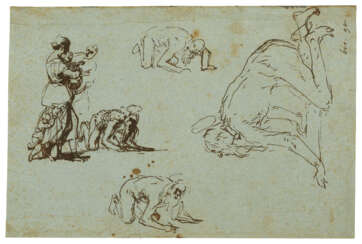

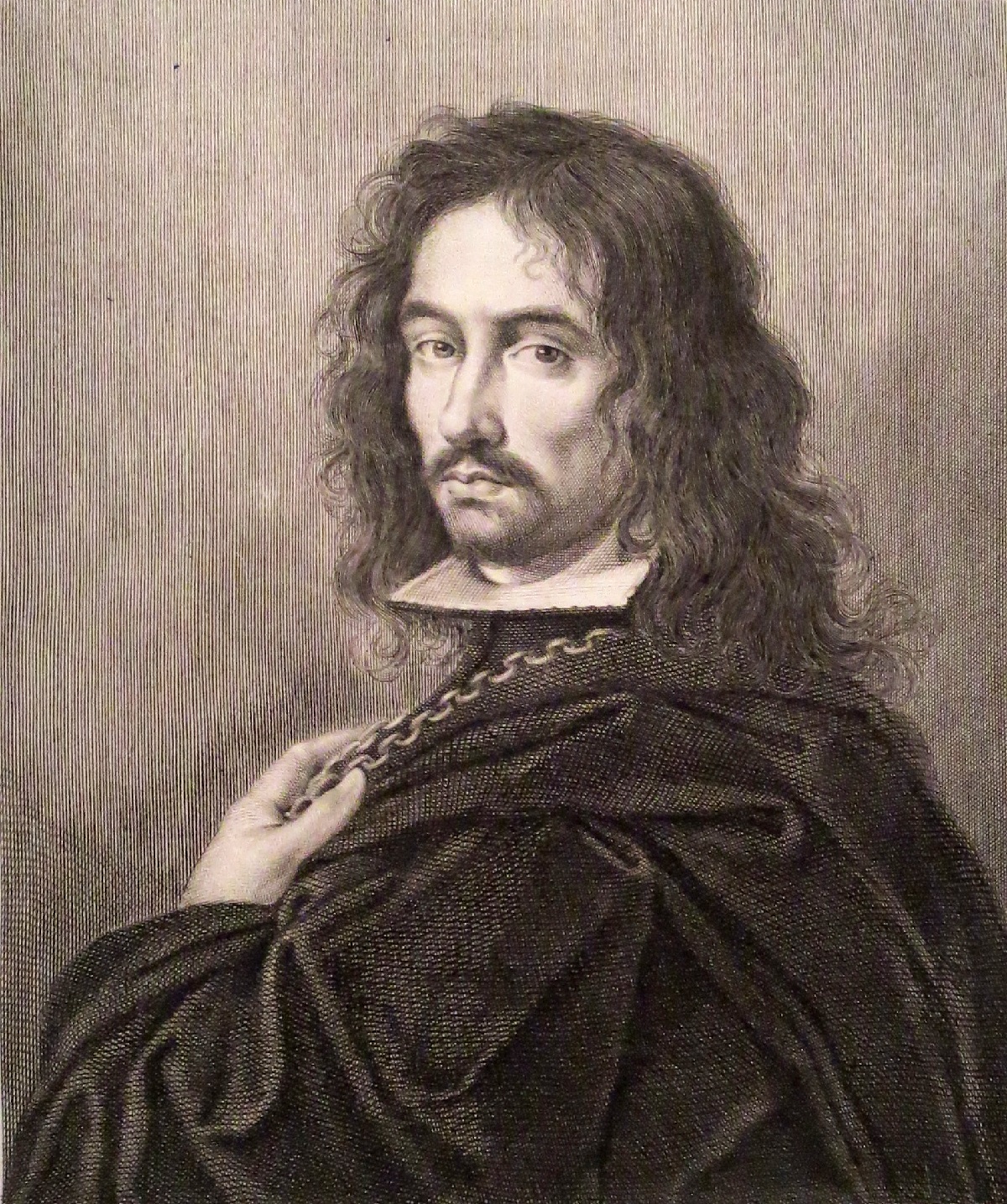
Luca Giordano, born on October 18, 1634, in Naples, emerged as the most celebrated Neapolitan painter of the late 17th century, known for his quick workmanship, which earned him the nickname "Luca Fa Presto" from his father's frequent admonitions to work quickly. His profound contribution to the development of Italianate landscape painting marked a significant chapter in art history.
Giordano's works are celebrated for their dynamic compositions, vibrant color palette, and the ability to infuse his subjects with vitality and emotion. His prolific career saw him working across Italy and Spain, leaving behind a legacy that includes monumental works such as the frescoes in the Palazzo Medici-Riccardi in Florence and the ceiling paintings in Santa Brigida Church in Naples. His late works, lighter and prefiguring the Rococo movement, were particularly influential and admired by later artists such as Fragonard.
Giordano's artistic prowess was not confined to a single genre; his oeuvre includes religious and mythological scenes, landscapes, and portraits. His versatility and ability to adapt his style to suit different subjects and patrons' preferences made him a pivotal figure in the transition from the Baroque to the Rococo style. Despite criticisms of superficiality due to his rapid execution, Giordano's work was fundamentally rooted in a deep understanding of his predecessors, combining the dramatic intensity of the Baroque with the emerging lighter Rococo aesthetic.
For collectors and experts in art and antiques, Luca Giordano's paintings represent a significant period in art history, bridging the gap between two major stylistic periods and reflecting the vibrant cultural exchanges of 17th-century Europe. His works, found in esteemed collections worldwide, continue to be studied and admired for their technical brilliance and artistic innovation.
To explore more about Luca Giordano's masterful contributions to the world of art and to stay updated on exhibitions or sales featuring his work, consider signing up for updates from art institutions. This subscription ensures enthusiasts and collectors are well-informed about developments related to Giordano's oeuvre, enhancing their appreciation and understanding of his enduring legacy.
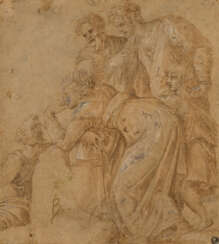

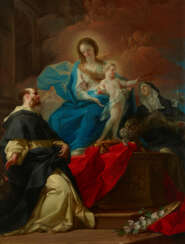

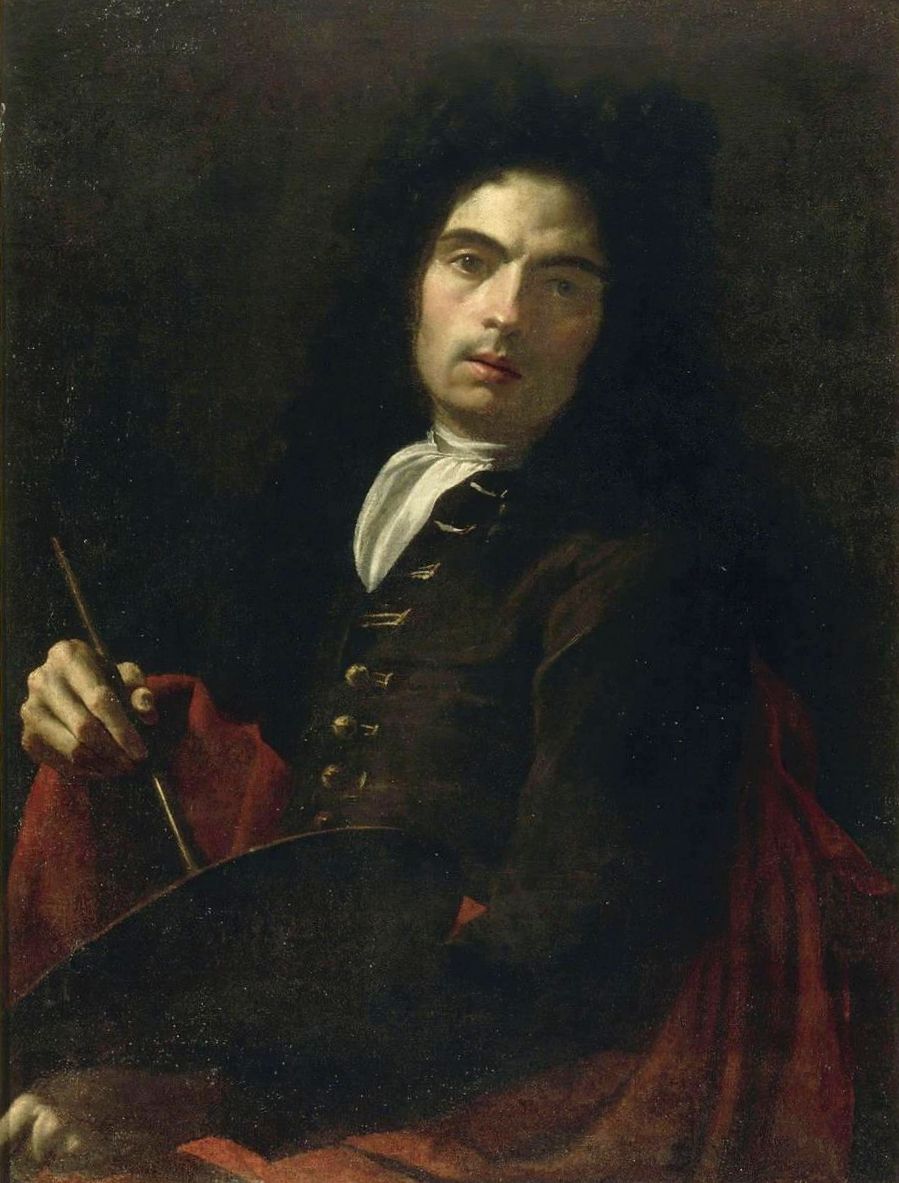
Corrado Giaquinto was a prominent Italian painter of the Rococo period. His journey into the arts took him from apprenticeships with local painters in his youth to a flourishing career across Italy and Spain. Giaquinto's early training under Saverio Porta and subsequent studies in Naples under Nicola Maria Rossi and Francesco Solimena honed his skills in the Neapolitan painting tradition. By the time he moved to Rome in 1727, his style had matured, leading to collaborations on significant projects and solo commissions that showcased his mastery of the Rococo style.
Giaquinto's work is known for its vibrant colors, dynamic compositions, and the integration of classical and religious themes, reflective of the Rococo spirit. His frescoes and oil paintings, such as "The Penitent Magdalen" and "Medea Rejuvenating Aeson," are celebrated for their technical brilliance and emotional depth, housed in prestigious museums like the Metropolitan Museum of Art in New York and the Louvre Museum in Paris. His significant contribution to the art world extends to his role as a court painter in Madrid, where he influenced the Spanish art scene profoundly during his tenure from 1753 to 1761.
For collectors and experts in art and antiques, Giaquinto's oeuvre offers a fascinating glimpse into the opulence and elegance of 18th-century Rococo art. His ability to blend dramatic narratives with delicate details makes his work a study in the balance between grandeur and grace, marking him as a key figure in the transition from the Baroque to Rococo styles.
To explore more about Corrado Giaquinto's influential work and to stay informed about exhibitions or sales featuring his art, signing up for updates from art institutions can provide exclusive insights into the world of this illustrious Rococo painter. This subscription is tailored for enthusiasts keen on delving deeper into the rich tapestry of 18th-century European art, ensuring they remain abreast of relevant developments and opportunities related to Giaquinto's legacy.
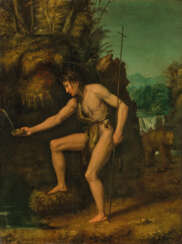

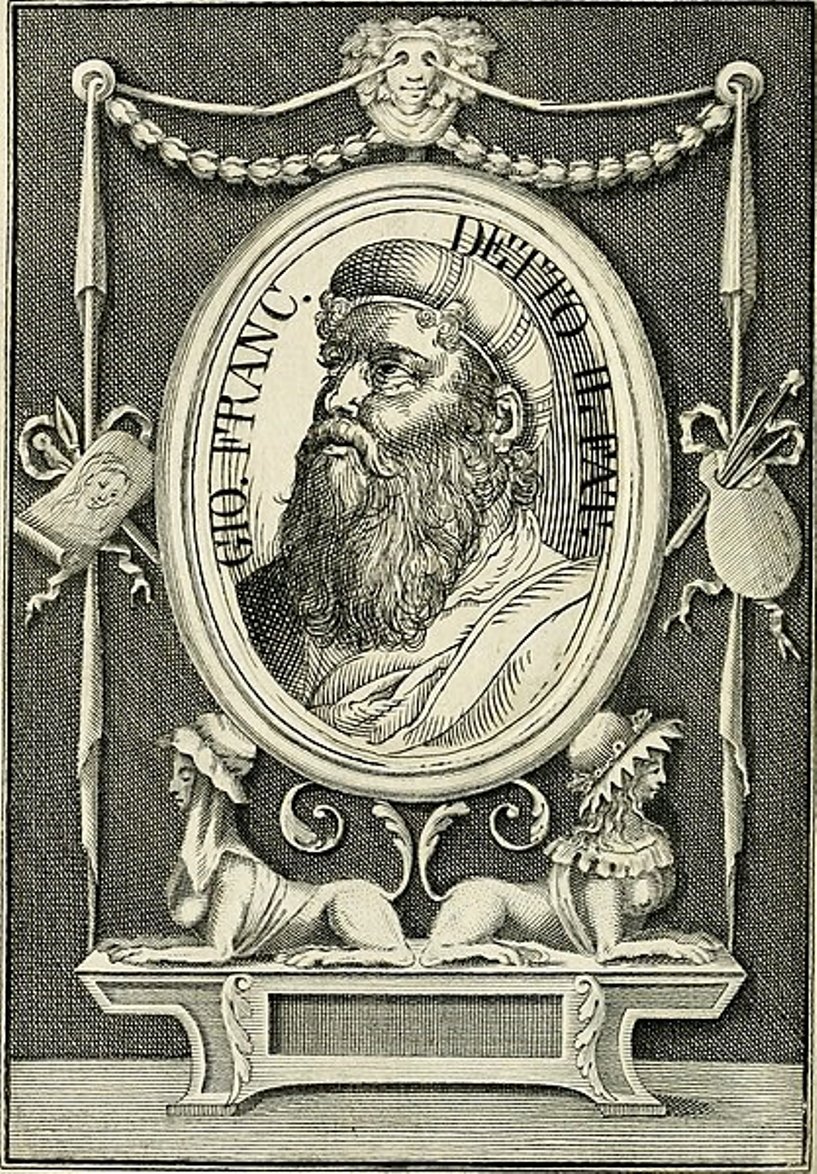
Giovan Francesco Penni, an Italian painter born in 1488, carved a niche for himself amidst the luminaries of the Renaissance. As a native of Florence, his artistry was cradled in the birthplace of the Renaissance, allowing him to develop a specialization that beautifully married traditional techniques with the burgeoning innovations of the time.
Penni is best known for his intimate collaboration with Raphael, one of the era's most celebrated masters. This association not only honed his skills but also deeply influenced his artistic direction, imbuing his works with a blend of grace and narrative depth characteristic of the High Renaissance. Penni's contributions to art, though less documented than those of his contemporaries, highlight his adeptness in painting and his ability to capture the ethereal beauty of religious and mythological subjects.
His known works, which include contributions to the Raphael Rooms in the Vatican, stand as testament to his skill and artistic vision. While many of his individual pieces may reside in obscurity, those attributed to him and preserved in museums and galleries across Europe continue to enchant art lovers with their elegance and historical significance.
For collectors and experts in art and antiques, Giovan Francesco Penni represents an intriguing figure whose legacy is ripe for rediscovery. His works, woven into the tapestry of Renaissance art, offer a unique lens through which to explore an era that shaped the course of Western art history.
In pursuit of uncovering the treasures of Giovan Francesco Penni's oeuvre, we invite you to sign up for updates. This subscription will ensure you're informed about the latest findings, sales, and auction events related to Penni's work, offering exclusive opportunities to delve deeper into the rich legacy of this Renaissance artist.
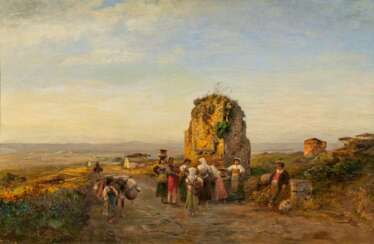

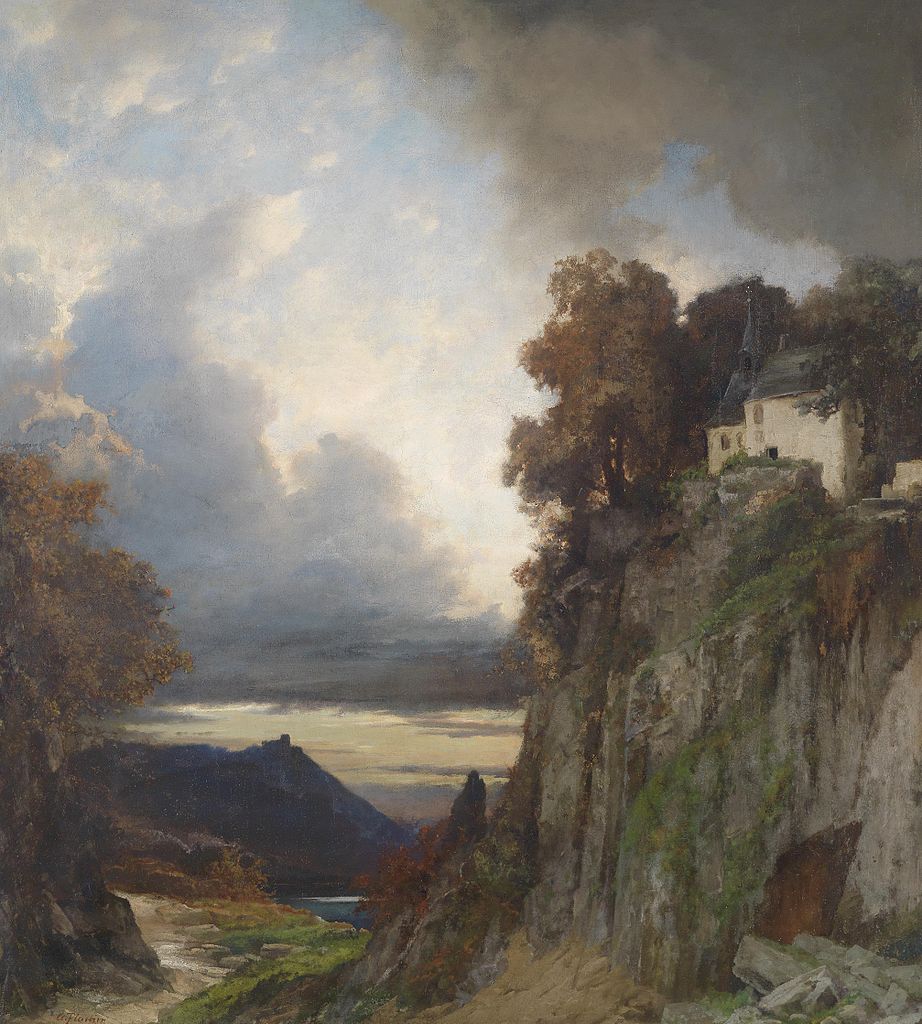
Albert Flamm was a German artist of the Düsseldorf school. He studied architecture at the Dusseldorf Academy of Art and in Antwerp. In 1841 he turned to painting and became a pupil of Andreas Achenbach. In 1848 Flamm became one of the founders of the Malkasten artists' association.
Albert Flamm painted mainly Italian landscapes, recognised for their truthfulness of nature, their vivid colours and their virtuosic treatments. He often chose an elevated viewing position to be able to create wide panoramic perspectives in warm, bright sunlight and with finely rendered detail.